 Reviews


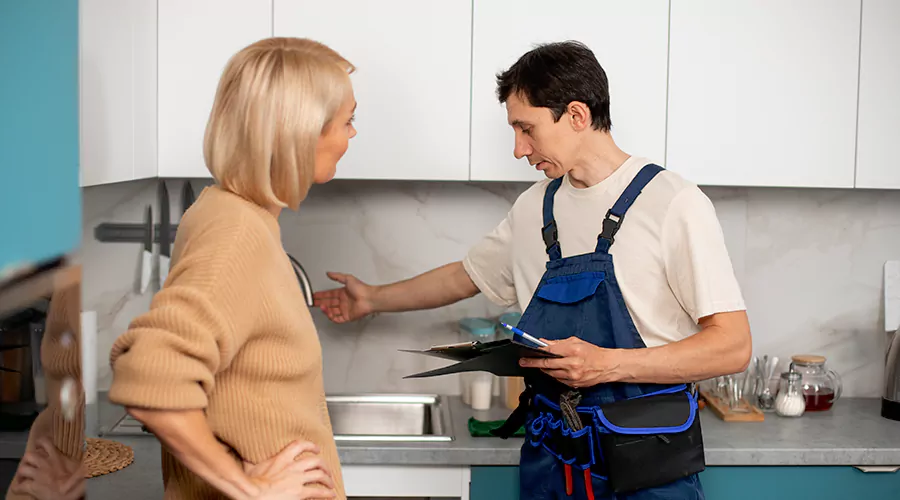
A good plumber charges $75 to $150 per hour in 2026 and carries a state license with active liability insurance. The wrong hire costs far more than the right one because botched water work ruins floors and drywall on its way out.
Most people type "i need a good plumber" into Google only after water hits the floor. Homeowners looking for a good plumber under that kind of pressure tend to accept the first company that picks up.
Ten minutes of vetting beats a $500 do-over. You'll also want a name saved before the next emergency rather than during it.
What Makes a Plumber Worth Hiring?
A good plumber holds a current state license and carries active liability insurance. A written warranty on labor separates real pros from the rest. Skill claims mean little on their own because a license and an insurance certificate are the only proofs you can verify in minutes.
- Communication comes next: The good plumber explains the problem and the fix in plain language before any price enters the conversation. Thoroughness and transparency matter more than landing on the lowest or highest quote.
- Small details reveal the rest: The gap between an adequate hire and a great plumber shows up in the drop cloths and the way the job site looks at the end of the day.
Insider tip: verify the license by number on your state board's website instead of taking the name on the truck at face value. Numbers can't be borrowed from a cousin.
10 Ways to Vet a Plumber Before You Hire
These ten checks separate a solid hire from a gamble. Each one takes under five minutes and none requires a site visit. Run the full list before a big job like a repipe. For a simple drip repair the first four checks usually settle it.
- Verify the license: Look up the number on your state licensing board's site and confirm it's current.
- Confirm insurance: Ask for the certificate and check the policy dates. Insurance is what pays to fix things if the work goes wrong.
- Collect three bids: Have each company quote exactly the same job with the same fixtures so the numbers compare cleanly.
- Read the middle reviews: One-star and three-star reviews show how a good plumbing company handles complaints rather than praise.
- Ask who shows up: Find out whether a licensed plumber or a helper performs the actual work.
- Get the warranty in writing: Great plumbing service continues after payment with a documented labor guarantee.
- Check the track record: Five or more years of experience is a sound benchmark.
- Call the office line: A good plumbing company answers with a real person during business hours.
- Look at the branding: A good plumbing service company prints its license number on its trucks and invoices without being asked.
- Confirm permits: Any water heater swap or drain relocation needs a permit, and pros pull their own.
Where to Find a Good Plumber Fast
Personal referrals beat every directory on hire quality. Neighbors can name the good plumbers in the area faster than any review site can. Start with people who hire trades often. Online results then work as a second filter rather than a starting point.
Real estate agents usually have a good plumber to recommend because home inspections expose bad work before every sale.
- The same source names an even better contact: local building inspectors see which plumbers consistently meet code and do quality work.
- Search results need more skepticism: Typing Plumbers Near Me pulls up the Google map pack ranked by reviews and distance. Longer queries like looking for a good plumber in my area return a block of paid ads first, so scroll past the sponsored results. Phrases such as find a good plumber in my area reward the companies that bought visibility as much as the ones that earned it.
Word of mouth still explains why a good local plumber rarely runs heavy advertising. Repeat customers keep their calendar full.
Insider tip: when you need a good local plumber the same day, ask the counter staff at a plumbing supply house. They watch which pros buy quality parts every morning.
What Plumbers Charge in 2026?
Plumbers charge $75 to $150 per hour in 2026, and most common repairs total between $150 and $500. A good cheap plumber is rare because licensing and insurance set a real price floor. Any quote far below market usually hides fees or missing credentials.
| Job or charge | Typical 2026 price |
|---|---|
| Hourly labor (most markets) | $75 to $150 |
| Hourly labor (full national range) | $45 to $200 |
| Common repair total | $150 to $500 |
| Leaky fixture repair | $75 to $350 |
| Fixture replacement installed | $150 to $450 |
Location moves these numbers. Northeast markets run about 1.15x the national average and West Coast markets about 1.20x, while Southeast markets sit near 0.90x.
Before booking a visit, ask for the hourly rate and the minimum service-call charge. Confirm whether that minimum covers a full diagnosis or just the drive.
Insider tip: skip after-hours pricing when you can. A dripping faucet or a slow drain can wait until Monday morning and dodge the emergency surcharge entirely.
Red Flags That Predict a Bad Hire
Eight warning signs predict a bad plumbing hire before any work starts. Every one of them is visible during the quote stage. No single flag proves anything alone. Walk away when two or more appear together because problems visible before payment only multiply after it.
- No license number on the website or the estimate.
- Cash-only terms or a demand for a large upfront deposit.
- A quote that looks too good to be true, since unusually low bids often lead to added charges later.
- Pressure to sign today for a "special price."
- Nothing offered in writing.
- An unmarked vehicle with no physical business address behind it.
- Vague answers about who actually does the work.
- Silence on warranty terms until you bring them up.
Contrast tells you plenty. A great plumber volunteers the license number before you think to ask for it.
Questions to Ask on the First Phone Call
Five questions on the first call filter out most bad hires. You're testing communication as much as collecting facts. Good plumbing service starts with clear answers about pricing structure and warranty terms. Vague or rushed responses on the phone reliably predict vague and rushed work at your house.
- What's your license number and which state issued it?
- Does the trip fee apply toward the repair if I book the job?
- What type of plumbing work do you usually do, and is my job typical for you?
- Can you share references from previous jobs similar to mine?
- Will a licensed plumber be on site or supervising?
Insider tip: notice how fast they respond and how fully they answer. A pro who takes time to understand your problem on the phone diagnoses better in person too.
One Company for Heating and Plumbing Work
Combined good heating and plumbing firms make sense for water heater and boiler jobs because both trades meet inside those systems. A plumbing-only shop fits fixture and drain work just fine. Match the company's core trade to your specific job instead of picking whoever runs the biggest ad.
Licensing matters most where risk lives. Gas line installation and anything touching supply lines belongs with a licensed plumber rather than a handyman. Caulking a tub surround or swapping a showerhead sits safely in handyman territory.
Conclusion
Proof beats promises when you hire for water and gas work. Verify the license and confirm the insurance before price ever enters the conversation. A good plumber found calmly today spares you a panicked pick during the next burst pipe. This week, vet one company with the ten checks above and save the number in your phone.